Dubious Embroidery Font: A Craft Fair Review
As I prepare my booth inventory for the upcoming weekend craft fair, I am constantly evaluating which digital assets will translate into actual sales. The transition from a screen to a finished product is where many designs fail, but after testing the Dubious Embroidery Font, I believe it has significant potential for handmade market vendors. When you elevate your embroidery projects with this typeface, you are not just stitching letters; you are creating a specific mood that resonates with shoppers looking for personality over perfection. For Etsy sellers and boutique makers, this font offers a distinct alternative to standard block or script fonts that saturate the market.
First Impressions: Character Over Perfection
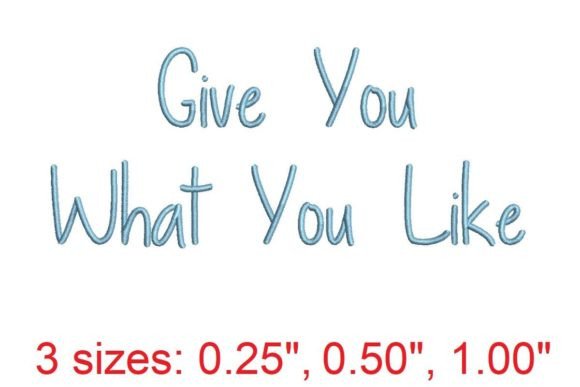
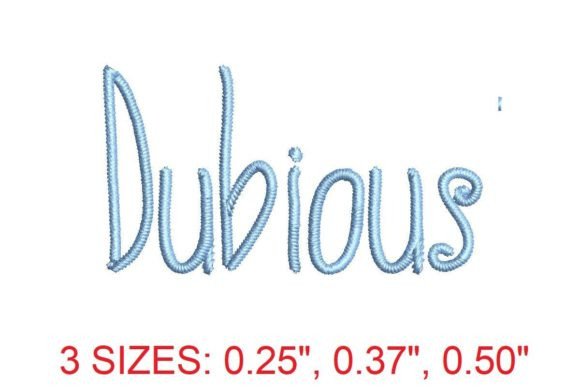
The name "Dubious" suggests uncertainty, but in design terms, it translates to whimsical irregularity and organic charm. My first impression upon loading the embroidery file was that this is not a formal font. It does not scream corporate uniformity or rigid elegance. Instead, it feels hand-drawn, slightly quirky, and authentically human. This aesthetic is currently dominating the handmade product sector because customers at craft fairs are seeking items that feel personal and bespoke rather than mass-produced.
Visually, the Dubious Embroidery Font strikes a balance between modern minimalism and rustic warmth. It lacks the heavy ornamentation of vintage styles but avoids the sterile look of digital sans-serifs. For a Back To School collection, this is ideal. It captures the nostalgic, messy creativity of childhood art supplies without looking juvenile. It feels premium yet approachable, making it versatile enough for adult gifts and children’s items alike. As an experienced designer, I value fonts that carry their own weight; this one adds texture and interest even when stitched in a single color.
Best Selling Applications for Market Booths
When planning a table display, I have to consider sightlines and tactile appeal. Not every font works on every surface, but Dubious proves adaptable across several key categories. Here is how I plan to utilize it for maximum buyer engagement:
- Tote Bag Design: Canvas totes are a staple at markets. The slightly uneven baseline of this font mimics hand-painting, making a simple name or phrase look like custom art. It reads well from five feet away, which is crucial for catching a passerby's eye.
- Tea Towel Embroidery: Linen and cotton towels require a font that doesn't get lost in the weave. Because Dubious has intentional quirks, it pairs beautifully with the natural slubs of linen fabric. Short phrases like "Bake" or "Gather" in this font turn a utility item into kitchen decor.
- Apron Embroidery: For culinary vendors or baking enthusiasts, this font adds a cozy, farmhouse-adjacent vibe without being cliché. It looks exceptional on denim or unbleached canvas aprons, suggesting a maker who values tradition with a modern twist.
- Embroidered Patches: Smaller applications can be tricky, but the bold nature of this typeface holds up well on patches. It allows for readable text on backpacks or jackets, catering to the trend of personalized outerwear.
- Fabric Pouches and Zipper Bags: These are high-volume impulse buys at fairs. Using Dubious for monograms or witty one-word descriptors transforms a basic zipper pouch into a giftable keepsake.
Production Practicalities and Batch Efficiency
A beautiful machine embroidery design is useless if it takes four hours to stitch out or requires constant troubleshooting. From a production standpoint, Dubious appears optimized for efficiency. The letterforms seem designed with open spaces that prevent excessive stitch density. This is critical for batch production. High-density fonts pucker lightweight fabrics and consume excessive thread, driving up costs and production time. This font’s airy construction means faster run times, allowing me to produce more inventory before the fair opens.
Photographing products for online listings is another consideration. Fonts with thin, erratic lines often disappear in photos or look jagged. However, Dubious maintains clarity in both physical and digital formats. When creating a printable mockup for my Etsy shop, the unique character shapes create visual hooks that stop the scroll. Customers can instantly identify the style as "handmade" rather than generic clip art. Furthermore, the repeatability of the design assets ensures brand consistency across different product lines, helping to build a recognizable shop identity.
Critical Use Notes for Professional Results
While versatile, no font is immune to technical limitations. As someone who has ruined plenty of garments learning hard lessons, I must highlight specific cautions when using the Dubious Embroidery Font:
- Small Lettering Risks: Due to its stylized nature, scaling this font down below 0.5 inches may result in lost details or thread breaks. Always test the minimum legible size before committing to a project.
- Textured Fabrics: On highly textured terry cloth or fleece, the organic edges might blend into the pile. Use a water-soluble topping to ensure the stitches sit on top of the fabric texture rather than sinking in.
- Curved Surfaces: If applying this to caps, be aware that the irregular baseline may exaggerate distortion on curved brims. Hooping technique and proper cap stabilizer are non-negotiable here.
- Thread Contrast: This font relies on shape definition. Stitching white thread on cream fabric may render the "dubious" details invisible. Opt for medium-to-high contrast thread colors to preserve the design integrity.
- Spacing Adjustments: Because the letters are intentionally imperfect, automatic kerning in embroidery software may not always suffice. Manually adjust spacing to ensure the word reads as a cohesive unit rather than disjointed characters.
Designer Checklist Before Selling
Before listing any item made with this digital embroidery file, professional due diligence is required. Never assume a file is ready for commercial use straight out of the download folder. First, verify the licensing terms. Ensure you have the right to sell finished products and check if there are limits on quantity or digital redistribution. Next, confirm the hoop size requirements match your machine capabilities; resizing can sometimes distort the intended "dubious" aesthetic.
Always run a test stitch-out on scrap material identical to your final product. Inspect the registration, check for jump stitches that need trimming, and evaluate the hand-feel of the embroidery. Is it too stiff? Too loose? Does it drape well on a tote bag? Create at least one real sample to photograph. Buyers trust what they can see. Finally, compare your output against current market trends. Does this font align with what your specific customer base is buying right now? By treating the Dubious Embroidery Font as a professional tool rather than just a decorative element, you transform ordinary projects into compelling, saleable goods that stand out in a crowded marketplace.