Fox and Hounds Embroidery Font Review
As an embroidery designer constantly sourcing reliable assets for commercial projects, finding a script font that balances elegance with structural integrity is a perpetual challenge. When I first encountered the Fox and Hounds Embroidery Font on Creative Fabrica, it immediately stood out as a potential staple for my upcoming seasonal collections. Marketed under the Back To School category, this typeface offers far more than just academic aesthetics; it presents a sophisticated blend of vintage charm and modern versatility. After integrating this machine embroidery design into several real-world production runs, ranging from custom apparel to personalized gifts, I want to share an honest evaluation of how this digital embroidery file performs when the needle actually hits the fabric.
First Impressions and Visual Character
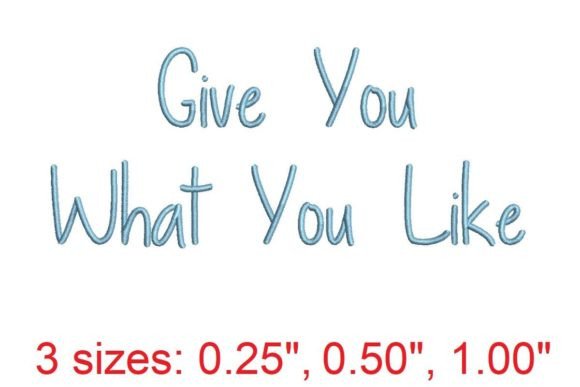
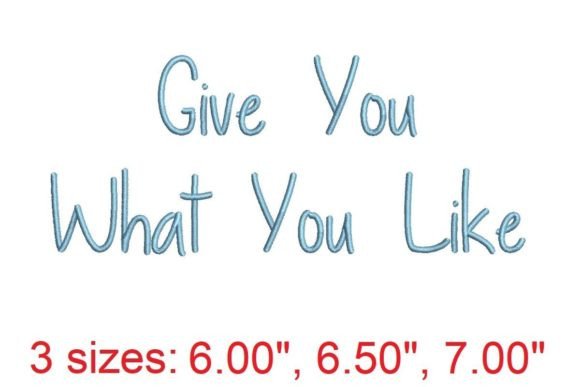
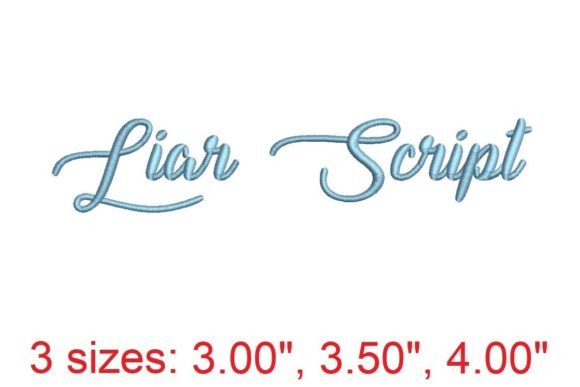
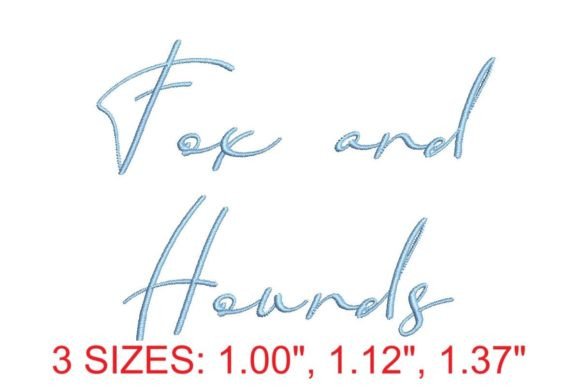
The initial appeal of the Fox and Hounds Embroidery Font lies in its distinct personality. Unlike generic block letters or overly simplistic scripts, this font carries a sense of heritage and craftsmanship. The stylish, scripted letters feature intricate detailing that suggests a high-end boutique finish rather than mass-produced uniformity. For those of us creating handmade products where perceived value is paramount, this visual mood is essential. The letterforms have enough weight to support satin stitch columns without looking clunky, yet they retain enough delicacy to feel refined. When reviewing the design assets before purchase, I noted that the flow between characters appears natural, which is critical for maintaining readability in cursive embroidery. This balance makes it particularly suitable for projects requiring a touch of nostalgia or classic elegance, such as nursery decor or heirloom-quality baby items.
Performance on Custom Apparel and Tote Bags
I tested the Fox and Hounds Embroidery Font specifically for a batch of premium sweatshirt embroidery and canvas tote bag designs. On heavier fabrics like fleece and cotton canvas, the font performed exceptionally well. The stitch density appears optimized to provide solid coverage without causing excessive puckering, provided you use the correct stabilizer. For the sweatshirts, the script added a collegiate yet refined vibe that elevated the garment beyond standard team wear. It transformed a basic blank into a piece of custom apparel that justified a higher price point in my Etsy shop.
When applied to tote bags, the font maintained its legibility despite the textured weave of the canvas. This is often a pain point with thinner script fonts, which can get lost in the fabric grain. However, because Fox and Hounds has substantial body to its strokes, it sat beautifully on top of the material. If you are planning to use this for commercial embroidery on apparel, I recommend testing on scrap fabric first to confirm the hoop size and tension settings match your specific machine’s calibration. The results on both light and dark fabrics were consistent, though thread colors should be chosen carefully to maximize contrast against the intricate detailing.
Navigating Small Hoop Sizes and Detailed Work
One of the true tests of any embroidery file is how it scales down. Many digitized fonts fall apart when resized for small applications like tags, cuffs, or embroidered patches. In my experience, the Fox and Hounds Embroidery Font holds up reasonably well at smaller sizes, but it requires mindful handling. Because of the decorative nature of the script, reducing it too aggressively can cause the satin stitches to merge or the running stitch details to become indistinct.
For projects like kitchen towels or pillow covers where space might be limited, I advise against pushing the minimum size boundaries. Instead, utilize this font for primary names or monograms where it can breathe. If you are working with tiny lettering for a label or patch, always run a test stitch-out. Inspect the small details after stitching to ensure the loops remain open and the connections are secure. While the digitizing quality is evident, physics still applies; extremely small satin columns on stretchy fabric will require additional stabilization or a slight adjustment in stitch density to prevent distortion. Always verify the specific file details on the Creative Fabrica product page regarding minimum recommended heights before committing to a large production run of small items.
Practical Considerations for Stretchy and Textured Fabrics
Embroidering on challenging substrates is part of daily business for apparel decorators. I used this font on a ribbed knit beanie and a linen apron to test its adaptability. On the stretchy knit, the font required a heavy-duty cut-away stabilizer to prevent the elegant curves from warping during wear. The inherent structure of the Fox and Hounds lettering actually helped here; because the design isn't overly spindly, it anchored well into the stabilizer. On the linen apron, the texture posed a different challenge. I opted for a water-soluble topping to keep the stitches crisp. The result was a beautiful, raised effect that highlighted the font's vintage aesthetic. This versatility confirms its utility across various categories, from baby blankets to seasonal handmade gifts.
Enhancing Product Value and Buyer Trust
In the competitive landscape of Etsy sellers and creative entrepreneurs, presentation is everything. Using a distinctive typeface like Fox and Hounds signals to buyers that you have curated your design assets with intention. Generic fonts can make a finished product look amateurish, whereas this font contributes to brand consistency and professional polish. When photographing embroidered patches or personalized gifts made with this font, the intricate detailing catches the light differently than flat fill stitch text, adding depth to your product photography.
Furthermore, the "Back To School" association provides excellent marketing leverage during late summer and early autumn, but the classic styling ensures it remains relevant year-round for weddings, anniversaries, and baby showers. Buyers trust sellers who offer unique typography, and this font helps establish that differentiation. It enhances the giftability of items like pillow covers and nursery decor because it feels bespoke rather than factory-made. For digital product sellers offering printable mockups, this font also renders beautifully on screen, helping customers visualize the final embroidered outcome accurately.
Essential Technical Notes for Success
To get the best results from the Fox and Hounds Embroidery Font, treat it with the same technical respect as any complex applique design or detailed motif. Here are my practical recommendations based on real usage:
- Verify Licensing: Before selling any finished product, double-check the licensing terms on the Creative Fabrica product page. Ensure your intended commercial use aligns with the designer's permissions.
- Stabilizer Selection: Do not skimp on stabilization. For stretchy fabrics like sweatshirts, use a high-quality cut-away. For woven fabrics like tote bags or aprons, a medium-weight tear-away or fusible mesh may suffice depending on the design size.
- Thread Contrast: Due to the intricate detailing, low-contrast thread choices (e.g., navy thread on black fabric) may obscure the beauty of the script. Opt for high contrast to showcase the stitch definition.
- Test Stitch-Outs: Never skip testing on the actual fabric you intend to use. Check for registration issues, especially if combining this font with other design elements.
- File Format Compatibility: Confirm that the included file formats are compatible with your specific embroidery machine or software before purchasing.
- Mockup Accuracy: If using this for print-on-demand or digital previews, ensure your printable mockup reflects the true stitch texture to manage customer expectations regarding the handmade product.
Ultimately, the Fox and Hounds Embroidery Font is a robust addition to any professional digitizer's library. It bridges the gap between decorative artistry and functional typography, making it a reliable choice for everything from caps and patches to high-end custom apparel. By respecting the technical requirements of machine embroidery and leveraging its unique aesthetic, you can create products that resonate with customers and stand the test of time.