Lemonade Font: A Designer’s Review for Real Projects
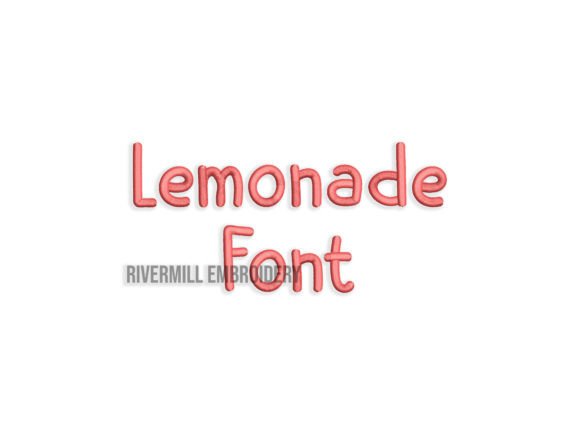
As an embroidery designer who regularly sources assets for both client commissions and my own Etsy shop, I approach every new machine embroidery design with a healthy dose of skepticism. We have all downloaded fonts that look beautiful on screen but turn into thread nests or illegible blobs once stitched out. When evaluating the Lemonade Font from Creative Fabrica, my primary concern was practical application. Does this typeface hold up when used for actual commercial embroidery products, or is it merely decorative digital art? After reviewing the set, which includes upper and lower case letters plus numbers in two distinct sizes, I found it to be a versatile contender for specific niches, particularly when creating custom apparel and seasonal goods.
First Impressions and Visual Mood
The immediate appeal of Lemonade Font lies in its balance between playfulness and legibility. In the world of Creative Fabrica embroidery downloads, many novelty fonts sacrifice readability for style. Lemonade manages to retain a clean structure while offering enough personality to make a handmade product feel bespoke rather than factory-made. The visual mood is undeniably cheerful, making it an intuitive choice for Back To School collections, summer merchandise, or children’s nursery decor. However, as a professional, I appreciate that it does not lean so heavily into the "juvenile" aesthetic that it cannot be used for adult accessories like kitchen towels or tote bags. The inclusion of two sizes is a critical feature; having a pre-digitized smaller option saves significant time compared to manually resizing a large font, which often distorts stitch density and compromises integrity.
Performance on Custom Apparel and Tote Bags
When testing this embroidery file for real-world scenarios, I focused on high-demand items like sweatshirts and canvas tote bags. For sweatshirt embroidery, the font’s weight is generally sufficient to stand up against fleece and French terry fabrics without disappearing into the pile. The larger size works exceptionally well for names across the chest or back yokes. On canvas tote bag design projects, the font provides excellent coverage. Canvas is unforgiving; if a font is too thin, it gets lost in the weave. Lemonade appears to have enough body to create a crisp impression on woven cottons.
For those creating personalized gift items like baby blankets or bibs, the smaller size included in this set is likely your workhorse. Baby items require softer, less dense stitching to prevent the fabric from becoming stiff or uncomfortable. Because this set comes with multiple formats (indicated by the "mul" specification in the product details), you should verify compatibility with your specific machine before purchasing. Always check whether the smaller size utilizes a running stitch or a lighter satin column, as this dictates how soft the final embroidered patch area will feel against sensitive skin.
Navigating Stabilizers and Fabric Challenges
No review of a digital embroidery file is complete without discussing stabilization. Even the best digitizing cannot overcome poor hooping techniques. When using Lemonade Font on stretchy knits or performance wear, a cut-away stabilizer is non-negotiable to prevent puckering around the lettering. For textured fabrics like terry cloth or minky, consider using a water-soluble topping. This ensures the stitches sit on top of the fabric nap rather than sinking in, which is vital for maintaining the definition of the font.
If you are planning to use this for caps or curved surfaces, proceed with caution. While the font is lovely, curved cap embroidery requires specialized digitizing to account for the distortion caused by the cylinder shape. Unless the product description explicitly states these files are "cap ready," I recommend sticking to flat hoops for this particular asset. For dark fabrics, always test your thread colors first. Lighter threads on dark backgrounds can sometimes require an underlay base to prevent the fabric color from showing through the stitches. Running a test on scrap fabric identical to your finished product is the only way to guarantee professional results.
Commercial Viability and Brand Consistency
For Etsy sellers and small business owners, consistency builds buyer trust. Using Lemonade Font can help establish a cohesive brand identity across various product lines. Imagine offering a matching set: a mom’s denim jacket and a toddler’s backpack, both utilizing the same typeface but at different scales. This visual continuity elevates the perceived value of your design assets. Furthermore, because the font includes numbers 0-9, it is highly functional for sports teams, graduation years, or age-specific birthday shirts, expanding your potential customer base beyond simple name personalization.
When listing items featuring this font, high-quality photography is essential. Use printable mockup templates to showcase how the font looks on different colored garments before you even stitch a sample. This allows you to test market demand for specific color combinations without wasting materials. However, nothing replaces a photo of the actual stitched texture for closing sales. Customers want to see the sheen of the thread and the precision of the registration. Highlighting the neatness of the satin columns in your listing photos demonstrates quality craftsmanship and justifies premium pricing.
Essential Pre-Purchase and Production Checklist
Before adding Lemonade Font to your library or starting a production run, please adhere to these professional best practices:
- Verify Licensing: Always read the current license terms on the Creative Fabrica product page. Confirm whether commercial use for physical products is permitted and if there are any limitations on digital redistribution or mass production.
- Check File Formats: Ensure the "mul" format package includes the specific file type your machine requires (e.g., PES, DST, JEF, EXP). Do not assume universal compatibility.
- Inspect Stitch Types: Open the file in your editing software to determine if the lettering uses satin stitch, fill stitch, or running stitch. This informs your stabilizer choice and needle selection.
- Test Small Details: If using the smaller size, stitch a test on the exact fabric you intend to sell. Inspect for thread breaks, tension issues, or illegible characters.
- Review Hoop Size Requirements: Confirm that the largest letters fit within your machine’s maximum embroidery area. Resizing a font significantly after purchase can alter stitch counts and lead to poor performance.
- Contrast Check: Evaluate visibility on both light and dark fabrics. You may need to adjust density settings or add underlay for optimal contrast on darker textiles.
Final Thoughts for the Embroidery Entrepreneur
Lemonade Font represents a solid addition to a professional embroiderer's toolkit, specifically for those targeting the family, school, and boutique gift markets. Its dual-size inclusion addresses one of the most common pain points in font digitizing: the loss of quality when resizing. By treating this embroidery asset as a component of a larger workflow—paired with proper stabilization, rigorous testing, and strategic marketing—you can transform a simple download into a profitable product line. Whether you are embellishing aprons for a craft fair or fulfilling custom orders for an online store, success lies in understanding the technical behavior of the design as much as its aesthetic charm. Always prioritize the integrity of the stitch-out over speed, and your customers will recognize the difference in every handmade piece you create.