Amely Regular Font: A Designer’s Review for Gifts
As an embroidery designer who manages a steady stream of custom orders, finding the perfect typeface is often the difference between a good product and a bestseller. When I first loaded the Amely Regular Font into my software, I was specifically looking for a versatile solution for our upcoming personalized gift catalog. Introducing the Amely Regular Embroidery Font as your ultimate choice for crafting stunning embroidered masterpieces is a bold claim, but after running several test stitches, I can see why it stands out. This font is tailor-made for perfection and fully compatible with the ever-popular PE format, making it an accessible option for both home hobbyists and professional shop owners.
First Impressions: Mood and Emotional Appeal
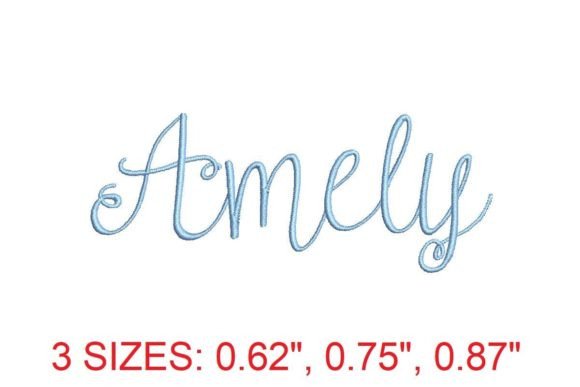
The immediate impression of Amely Regular is one of soft elegance mixed with modern readability. In the world of custom embroidery, we often have to choose between ornate scripts that are hard to read or block letters that lack emotion. Amely Regular strikes a beautiful balance. It possesses a gentle charm that feels inherently handmade rather than mass-produced. The letterforms have just enough character to evoke warmth without sacrificing legibility at smaller sizes.
For my shop, this mood is critical. When a customer orders a personalized gift, they are buying a feeling. Whether it is a romantic sentiment for a wedding gift or a sweet name for baby embroidery, the font must carry that emotional weight. Amely Regular succeeds here because it looks intentional and artistic. It does not look like a default system font; it looks like a design choice made by someone who cares about aesthetics. This perceived value is exactly what attracts buyers on platforms like Etsy or at local craft fairs.
Real-World Application: From Nursery to Kitchen
I tested this machine embroidery design across three distinct categories to gauge its versatility for a small business inventory. The results highlighted where this font truly shines as a digital embroidery file.
Baby and Nursery Items
For blanket embroidery and nursery decor, Amely Regular is exceptional. The smooth curves and moderate weight prevent the stitching from looking too harsh against soft minky or cotton fabrics. I stitched a sample name on a pastel receiving blanket, and the result was incredibly sweet. It appeals directly to new parents and gift-givers looking for timeless keepsakes. Because the font is clean, it photographs beautifully for social media, which is vital for driving engagement on baby product listings.
Weddings and Keepsakes
When testing for wedding linens and pillow covers, the font maintained its integrity. Wedding clients demand high-end finishes, and Amely Regular delivers a sophisticated look that pairs well with floral motifs or minimalist borders. As a handmade product creator, using this font on a ring bearer pillow or a customized tote bag for bridesmaids instantly elevates the item's status. It feels bespoke, which justifies a higher price point for your finished goods.
Back To School and Daily Use
While often associated with delicate items, this font also performs well for practical goods. For the Back To School season, I tested it on canvas tote bags and aprons. The readability remains high even when viewed from a distance, making it ideal for labeling children's belongings or creating personalized teacher gifts. Unlike overly frilly scripts that get lost on textured canvas, Amely Regular holds its own, ensuring the personalization is actually visible and functional.
Technical Considerations and Fabric Limitations
No embroidery file is perfect for every scenario, and as a professional, I must be honest about where to exercise caution. While Amely Regular is robust, certain applications require extra planning.
- Textured Fabrics: On thick terry cloth towels or nubby linen, the finer details of the font may get swallowed by the fabric texture. If you are creating an embroidered towel, consider adding a topping stabilizer or slightly increasing the column width in your digitizing software to ensure the letters sit on top of the pile.
- Stretchy Materials: For baby onesies or knitwear, proper stabilization is non-negotiable. The font’s flow requires a stable base to prevent puckering. Always use a cut-away stabilizer for stretchy garments to maintain the shape of the letters after washing.
- Small Lettering: While readable, extremely small text (under 4mm) should be tested rigorously. Depending on your machine and thread weight, the inner counters of letters like 'e' or 'a' might close up. Always run a sew-out before committing to a bulk order of small tags or labels.
- Dark Fabrics: Contrast is key. On dark backgrounds, ensure your thread colors provide sufficient pop. Light metallic or variegated threads can add a premium touch, but solid high-sheen rayon or polyester often offers the best clarity for this specific typeface.
Elevating Product Value and Customer Trust
Using a high-quality font like Amely Regular directly impacts how customers perceive your brand. In the competitive market of commercial embroidery, consistency builds trust. When buyers see that your typography is polished and professional across all your listings—from pillow cover designs to baby bibs—they trust that the physical product will match the digital preview.
This font enhances giftability because it looks expensive. A generic font can make a custom item look DIY in the wrong way, whereas Amely Regular looks artisanal. For Etsy sellers and small shop product lines, this distinction drives conversion. Furthermore, because the font is aesthetically pleasing, it makes creating printable mockups and listing photos much easier. You spend less time editing out jagged edges or poor spacing and more time marketing your beautiful work.
Essential Workflow Notes for Makers
Before adding this font to your production lineup, follow these practical steps to ensure success with every finished product:
- Test on Scrap Fabric: Never stitch directly on a customer’s item without a prior test. Verify how the stitch density interacts with your specific material.
- Confirm Hoop Size: Ensure your design fits comfortably within your hoop size with adequate margin for tension. Over-tightening can distort the elegant proportions of Amely Regular.
- Check Licensing: Before selling items featuring this font, verify the commercial license terms included with your purchase. Protecting your business means respecting intellectual property.
- Review Thread Contrast: Compare light and dark fabric mockups to ensure readability. What looks good on screen may need adjustment in real thread.
- Wash Test: If selling items meant for frequent laundering, wash your test swatch. Check if the stitch density holds up or if the fabric pulls around the lettering.
Amely Regular Font has earned a permanent spot in my design library. Its ability to transition seamlessly from a tender baby blanket to a chic wedding keepsake makes it an invaluable asset for any embroidery business focused on personalized gifts. By understanding its strengths and respecting its technical requirements, you can create products that delight customers and stand the test of time. Whether you are preparing for the Back To School rush or stocking up for wedding season, this font provides the reliable beauty that handmade buyers crave.