Lucky Ducky Font: A Designer’s Review for Gifts
As an embroidery designer running a busy personalized gift shop, I am constantly evaluating new typefaces to ensure they meet the high standards my customers expect. When planning inventory for the upcoming season, particularly for Back To School items and nursery goods, I recently tested the Lucky Ducky Font. My goal was simple: determine if this machine embroidery design could withstand real-world production while delivering the charm necessary for a successful handmade product. After stitching multiple samples and reviewing the digital embroidery file, I have compiled practical insights for fellow Etsy sellers, small business owners, and crafters considering this font for their commercial embroidery lineup.
First Impressions and Emotional Appeal
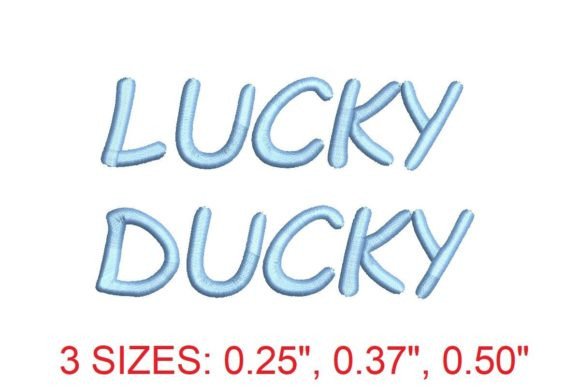
Upon loading the PES file format into my software, the first thing that struck me about the Lucky Ducky Font was its immediate sense of nostalgia and warmth. It does not feel sterile or overly digital; instead, it possesses a hand-drawn quality that translates beautifully into thread. For those of us creating baby embroidery or sentimental keepsakes, this emotional connection is vital. The letterforms are rounded and soft, evoking feelings of safety, playfulness, and innocence without looking amateurish.
This balance is crucial for perceived value. When a customer orders a custom embroidery piece, they are paying for expertise and emotion. Lucky Ducky strikes a chord that feels premium yet accessible. It avoids the sharp edges of modern sans-serif fonts, making it ideal for items intended to be touched and cuddled. Whether you are designing a wedding gift with a whimsical twist or a classic embroidered towel for a family reunion, this font signals that the item was made with care. It elevates a standard personalization job into a cherished heirloom.
Ideal Applications for Personalized Products
During my testing phase, I identified several categories where this font truly shines. Its versatility makes it a workhorse for shops that handle diverse orders.
- Nursery Decor and Blanket Embroidery: This is the sweet spot for Lucky Ducky. The stitch definition remains clear on minky and fleece when paired with the correct stabilizer. It adds a boutique finish to security blankets and crib sheets.
- Back To School Gear: While often associated with babies, this font works wonderfully for younger students. Personalized tote bags, pencil cases, and aprons for art class benefit from its legible yet playful aesthetic.
- Kitchen and Bath Linens: For embroidered towels and pillow covers, the font has enough weight to stand out against terry cloth and linen textures without getting lost in the fabric weave.
- Family Keepsakes: I found it perfect for adding names to quilt blocks or holiday stockings. It reads well at medium sizes and maintains its character even when scaled down slightly for tags or labels.
For Etsy sellers, using this font in your listings can significantly boost buyer engagement. It photographs exceptionally well because the curves catch light differently than straight block letters, adding depth to your product photography and printable mockups.
Technical Considerations and Fabric Limitations
While Lucky Ducky is enchanting, no machine embroidery design is universal. As professionals, we must know where a font struggles to prevent unhappy customers and wasted materials. Based on my test stitches, here is where you should exercise caution.
Small Lettering and Delicate Details
Like many script and novelty fonts, Lucky Ducky has intricate curves. If you attempt to resize this font below the manufacturer’s recommended minimum height, the stitch density may become too dense, causing puckering or needle breaks. Always check the smallest viable size before committing to a design. For tiny tags or collar embroidery, consider pairing this font with a simpler block letter for secondary text to maintain readability.
Textured and Stretchy Fabrics
The font performs best on stable, smooth surfaces. On highly textured fabrics like chunky knits or thick terry cloth, the delicate serifs and tails may sink into the pile. In these cases, use a water-soluble topping to keep the stitches visible. Similarly, stretchy baby clothes require careful stabilization. Because the font has flowing lines, any fabric distortion during hooping will result in wavy, unprofessional-looking text. Always use a cut-away stabilizer for knits to support the stitch structure permanently.
Dark Fabrics and Contrast
When stitching on dark backgrounds, thread color contrast is non-negotiable. The charm of Lucky Ducky lies in its details, which disappear if you use navy thread on black fabric. Test your thread colors on scrap fabric first. Sometimes, a variegated or metallic thread can enhance the whimsical nature of the font, but ensure the contrast ratio allows for easy reading from a distance.
Production Workflow and Quality Control
Integrating a new embroidery file into your production line requires diligence. Before accepting paid orders featuring Lucky Ducky, follow this professional checklist to ensure consistent results.
- Verify Licensing: Confirm the commercial licensing terms included with your purchase. Ensure you are permitted to sell finished products or if there are limitations on mass production. Protecting your business starts with respecting intellectual property.
- Stitch Out on Scrap Fabric: Never stitch directly onto a customer’s expensive blanket or vintage pillow cover without a test run. Use similar fabric texture and weight to gauge tension and stabilizer needs.
- Check Hoop Size Compatibility: Ensure the monogram or name fits comfortably within your hoop size with adequate margin for the presser foot. Re-hooping mid-design increases the risk of misalignment.
- Review Stitch Density: Inspect the back of your sample. If the bobbin thread is showing excessively on top or the fabric is stiff like cardboard, adjust the density settings in your software. Comfort is key for baby embroidery and wearable items.
- Create Mockups: Use your test stitch photos to create accurate listing images. Customers appreciate seeing how the font actually renders in thread versus a digital rendering. This transparency builds trust and reduces return requests.
Elevating Your Handmade Business
In the competitive world of custom embroidery, the difference between a generic product and a beloved gift often comes down to typography. Lucky Ducky Font offers a unique blend of professionalism and personality that resonates with buyers seeking meaningful connections through their purchases. By understanding its strengths in nursery and school-related projects, and respecting its technical limitations on challenging fabrics, you can confidently add this tool to your creative arsenal.
Remember that every machine embroidery design interacts differently with various materials. What works perfectly on a cotton quilt block may need adjustment for a satin pillow cover. Trust your testing process, prioritize quality over speed, and always keep the end-user's experience in mind. When executed correctly, this font transforms simple textiles into treasured memories, reinforcing the value of your handmade business and delighting customers who cherish personalized craftsmanship.