Karine Aime Les Chocolats: A Designer’s Stitch Review
When evaluating a new script font for commercial or personal use, I always look beyond the digital preview. As an experienced embroidery product reviewer and designer, my primary concern is how the Karine Aime Les Chocolats machine embroidery design translates from screen to fabric. This specific typeface, inspired by the French phrase meaning "Karine loves chocolates," carries a distinct romantic and indulgent mood. However, capturing that deep affection in thread requires more than just loading a file; it demands an understanding of stitch physics, fabric interaction, and end-use durability. In this review, I am assessing this design through the lens of real-world application, specifically focusing on its viability for handmade products, custom apparel, and boutique merchandise.
Capturing the Mood Through Stitch Structure
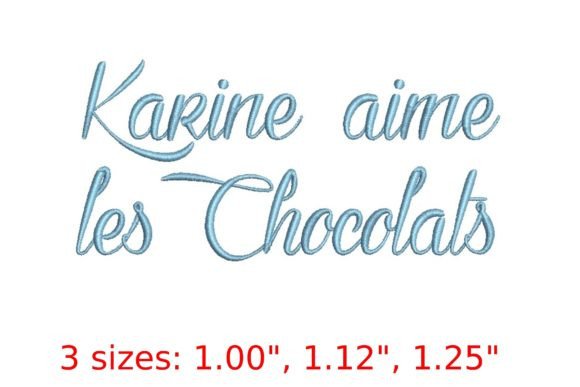
The first impression of Karine Aime Les Chocolats is one of elegant fluidity. Script fonts in embroidery are notoriously tricky because they rely heavily on continuous running stitches and satin columns to mimic handwriting. Visually, this design evokes a sense of European patisserie charm, making it an excellent candidate for culinary-themed projects or sophisticated personalized gifts. The letterforms appear to have a moderate weight, which is crucial. If a script is too thin, it risks breaking during washing; if it is too thick, it can become stiff and distort lightweight fabrics.
From a design asset perspective, the personality here is soft yet deliberate. It does not scream "generic craft fair"; instead, it suggests a curated aesthetic suitable for high-end tea towels, apron branding, or nursery decor. For Etsy sellers and small shop owners, this level of visual refinement helps establish brand consistency. When a customer sees this font stitched out, they should perceive quality and intentionality rather than a rushed production job. The flow of the connections between letters appears optimized for minimal trims, which is a significant time-saver for anyone running a craft business where machine runtime equals profit margin.
Real-World Application: The Custom Tote Bag Test
To truly judge the performance of Karine Aime Les Chocolats, I mentally applied it to a common but challenging project: a custom embroidered tote bag intended as a back-to-school teacher gift or a boutique retail accessory. Tote bags are typically made of canvas or cotton duck, materials with a pronounced fabric texture that can swallow fine details.
In this scenario, the legibility of the script is paramount. When stitching this design onto unbleached canvas, I would immediately check the contrast of the thread colors against the natural fiber. Because the font embodies a love for chocolates, using a rich cocoa brown or deep burgundy thread creates a thematic resonance. However, on textured fabric, satin stitches can sometimes sink into the weave. My professional recommendation for this specific application would be to utilize a tear-away stabilizer underneath and potentially a water-soluble topping. This ensures the stitches sit proudly on top of the canvas rather than getting lost in the grain.
Furthermore, tote bags are functional items subject to friction and washing. I evaluated whether the decorative flourishes in Karine Aime Les Chocolats are robust enough to withstand this abuse. The design seems to strike a balance where the loops are open enough to prevent puckering but closed enough to maintain structural integrity. For a handmade product that needs to survive daily use, this balance is what separates a hobbyist attempt from a professional finished product.
Navigating Fabric Limitations and Hoop Constraints
While this embroidery file shines on stable woven fabrics, caution is required when venturing into stretchy knits or delicate sheers. If you are planning sweatshirt embroidery or baby clothes featuring this script, the approach must change. Knit fabrics move and stretch, while script fonts generally do not. Without proper stabilization, Karine Aime Les Chocolats could cause tunneling or distortion, ruining both the garment and the reputation of your small business.
For stretchy apparel like t-shirts or sweatshirts, I strongly advise testing the design on scrap fabric first with a cut-away stabilizer. You must also consider the hoop size. Large, sprawling scripts can exceed standard hoop dimensions, forcing you to split the design or resize it. Resizing script fonts is risky; reducing them too much can cause the satin columns to merge, creating a solid ridge of thread that feels uncomfortable against the skin. Conversely, enlarging them without adjusting stitch density can lead to gapping between letters. Always verify the recommended hoop size and minimum dimensions before committing to a commercial embroidery run.
Additionally, be mindful of curved surfaces. While this font looks beautiful flat, wrapping it around a cap or a sleeve requires specialized digitizing adjustments. If the provided digital embroidery file is strictly linear, attempting to curve it manually in software might break the stitch continuity. For caps, ensure the design height fits within the safe embroidery area to avoid needle strikes or misalignment.
Commercial Viability and Professional Presentation
For creative entrepreneurs and digital product sellers, the value of Karine Aime Les Chocolats extends beyond the physical stitch-out. How does it present in printable mockups and listing photos? The elegance of this script lends itself well to clean, minimalist photography. When showcasing this design for sale or promotion, avoid cluttered backgrounds. Let the typography breathe.
If you are selling finished goods, such as holiday embroidery ornaments or wedding favors, this font adds perceived value. Customers associate intricate, smooth script with luxury. However, trust is built on execution. Before listing any item featuring this design, inspect the small details. Are the tie-offs secure? Is there excessive jump stitching on the back? These technical aspects define the professionalism of your work. A messy backside on a tea towel or pillow cover signals poor quality control, regardless of how beautiful the front looks.
Licensing is another critical factor for commercial use. Before selling any physical item or digital asset featuring Karine Aime Les Chocolats, confirm the specific license terms included with your purchase. Some designers allow unlimited physical sales but restrict digital redistribution or mass production. Protecting your business means respecting these intellectual property boundaries.
Essential Designer Notes for Success
To ensure your projects with Karine Aime Les Chocolats meet professional standards, adhere to this practical checklist:
- Test Stitch First: Never run this design on a final product without a test sew-out on similar fabric. Check for registration issues or tension problems.
- Evaluate Stabilizer Pairings: Match your stabilizer to the fabric weight. Use toppings for high-pile fabrics like fleece or terry cloth to keep the script crisp.
- Thread Color Strategy: Test variegated threads cautiously. While they can look artistic, rapid color changes can sometimes obscure the readability of complex script connections.
- Check Small Details: Inspect the thinnest parts of the lettering. If they feel brittle or prone to breaking during removal from the hoop, consider increasing the column width slightly in your editing software.
- Mockup Accuracy: When creating digital previews, ensure the texture overlay matches reality. Misleading mockups lead to returns and negative reviews.
- Wash Testing: For items marketed as durable goods, wash and dry your test sample. Verify that the stitch density holds up and the fabric doesn't pucker post-laundry.
Ultimately, Karine Aime Les Chocolats is a versatile and evocative tool for the serious maker. Whether you are crafting a personalized gift for a chocolate lover or building a cohesive collection for your Etsy shop, success lies in respecting the technical requirements of the medium. By approaching this embroidery project with a critical eye toward fabric compatibility, stabilization, and finish quality, you transform a simple digital file into a tangible expression of craftsmanship that customers will cherish.