Cute Rabbit Number 9: A Designer’s Stitch Review
As an embroidery designer who has tested hundreds of digitized files for both personal projects and commercial client work, I approach every new machine embroidery design with a critical eye. It is not enough for a graphic to look charming on a screen; it must translate beautifully through needle and thread. When evaluating the Cute Rabbit Number 9 design, my primary focus is on how this specific artwork performs in real-world stitching scenarios, particularly for those creating products for the Back To School season or personalized children's apparel. This review breaks down the practical realities of using this embroidery file in a professional or small business setting.
First Impressions and Visual Personality
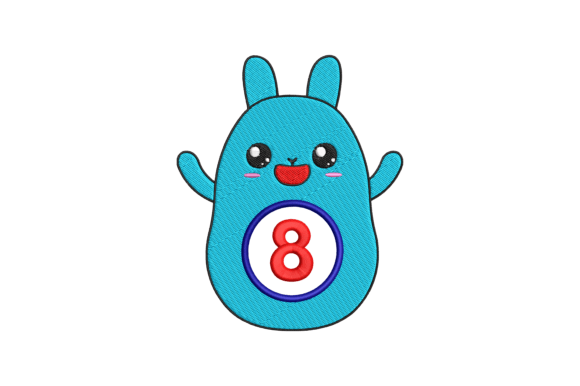
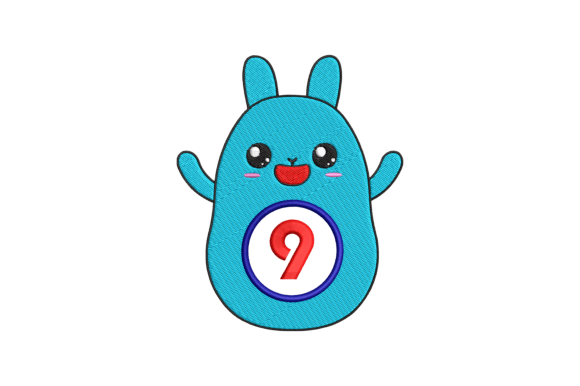
Upon opening the digital embroidery file, the immediate impression of Cute Rabbit Number 9 is one of balanced whimsy. The number nine often presents a digitizing challenge due to its curved lower loop and vertical stem, but this design integrates the rabbit motif organically rather than forcing it. The visual personality strikes a necessary balance between playful and polished, making it suitable for more than just nursery items. For an Etsy seller or craft business owner, this versatility is crucial. It avoids looking overly infantile, which expands its marketability to older students returning to school or even adults who appreciate cottage-core aesthetics.
The layout suggests a thoughtful distribution of stitch density. Visually, the rabbit appears to interact with the numeral rather than simply sitting beside it. This integration is vital for custom apparel, as disjointed designs can look like afterthoughts on finished garments. The charm lies in the cohesion, elevating the fabric with a touch of elegance that feels intentional and professionally digitized.
Real-World Application: The Custom Sweatshirt Test
To truly judge the viability of Cute Rabbit Number 9, I mentally placed it in a current production scenario: creating a custom embroidered sweatshirt for a third-grader’s birthday gift. Sweatshirts are a staple handmade product, but fleece and French terry fabrics can be unforgiving. In this context, the design needs to hold its shape without sinking into the pile or distorting the garment's drape.
For this project, I would treat Cute Rabbit Number 9 as a centerpiece on the chest or a subtle accent on the cuff. If the design utilizes satin stitch borders, they must be wide enough to prevent fabric bleed-through but narrow enough to avoid puckering on stretchy knitwear. If it incorporates fill stitch areas for the rabbit’s body, the texture should complement the fleece rather than competing with it. As a reviewer, I look for designs that respect the substrate. This particular motif seems well-suited for sweatshirt embroidery because the organic shapes of the rabbit allow for natural movement, reducing the risk of the stiff, board-like feel that poorly digitized numbers often have.
Furthermore, for small shop product lines, this design offers excellent bundling potential. Imagine pairing Cute Rabbit Number 9 with a matching tote bag design for a complete back-to-school set. The aesthetic consistency helps build brand recognition and increases the perceived value of your finished product.
Navigating Fabric Limitations and Hoop Constraints
While Cute Rabbit Number 9 has strong visual appeal, experienced makers know that execution depends heavily on material selection. There are specific environments where this design requires careful handling:
- Textured Fabrics: If you are stitching on terry cloth towels or heavy canvas, verify that the running stitch details are bold enough to remain visible. Fine lines may get lost in the weave.
- Stretchy Knits: For baby onesies or lightweight tees, proper stabilizer choice is non-negotiable. A cut-away stabilizer is likely required to support the weight of the embroidery and prevent the "bulletproof" effect where the fabric pulls tight around the stitches.
- Small Hoop Sizes: Always confirm your machine’s maximum stitching area before purchasing. While the design may fit a 4x4 hoop visually, resizing it down significantly might compromise tiny facial details or cause jump stitches to become problematic.
- Dark Fabrics: Test thread colors against dark backgrounds. White or cream threads on navy sweatshirts create high contrast, but ensure the underlay is sufficient to prevent the dark fabric from grinning through the top stitches.
If you plan to use this as an applique design, pay close attention to the tack-down stitches. On curved surfaces like caps or rounded pockets, alignment marks are essential. Without them, the rabbit could shift during the final satin border pass, ruining the professional finish your customers expect.
Commercial Viability and Customer Perception
For creative entrepreneurs, the decision to use Cute Rabbit Number 9 extends beyond aesthetics to business strategy. Does this design justify a premium price point? Absolutely, provided the stitching quality matches the digital promise. Customers associate clean registration, smooth satin columns, and appropriate density with high-quality commercial embroidery. A design that looks amateurish devalues your entire shop.
This motif also serves as an excellent asset for marketing. Because of its distinct character, it photographs well for printable mockups and social media listings. Clear, attractive visuals drive buyer engagement. However, transparency builds trust. Always list the exact dimensions and recommended fabrics in your product descriptions. If you are selling the embroidery project as a finished item, highlight the durability and washability, especially for baby embroidery or school uniforms that face frequent laundering.
Regarding licensing, never assume usage rights. Before listing any item featuring Cute Rabbit Number 9, verify whether the license permits commercial sale of physical goods versus digital redistribution. Protecting your business means respecting intellectual property while leveraging these design assets ethically.
Essential Pre-Stitch Checklist for Makers
Before committing Cute Rabbit Number 9 to a final personalized gift or inventory piece, run through this practical validation process. These steps separate hobbyists from professionals:
- Test Stitch on Scrap: Never stitch directly on a final garment first. Use a scrap of the exact same fabric and stabilizer combination to check tension and registration.
- Verify File Compatibility: Ensure the format matches your machine. Conversion software can sometimes alter stitch paths, so inspect the converted file in editing software before sewing.
- Check Thread Contrast: View the design in black and white within your software to evaluate tonal separation. If the rabbit blends into the number, adjust thread colors to enhance depth.
- Assess Stabilizer Needs: Match the stabilizer weight to the design density and fabric type. Heavier designs on light fabrics need stronger support.
- Review Small Details: Zoom in to inspect eyes, whiskers, or toes. If they are single running stitches, consider adding a second pass or widening them for better visibility on textured materials.
- Mockup Validation: Place the design over photos of your actual blanks, not generic templates, to ensure scale and placement look realistic.
Final Thoughts on Design Integrity
Cute Rabbit Number 9 represents a solid addition to any embroiderer’s library, particularly for those targeting the back-to-school niche or children’s personalized gifts. Its strength lies in its adaptability across various embroidery projects, from patches to pillow covers. However, the success of any machine embroidery design ultimately rests on the maker’s understanding of their materials and machine. By approaching this file with technical diligence and creative intention, you transform a simple digital asset into a tangible piece of art that delights customers and elevates your brand. Remember, embroidery is an art form that can elevate any fabric, adding a touch of elegance and charm, but only when executed with precision and care. Whether you are decorating a classroom tote or crafting a boutique sweatshirt, let practical judgment guide your needle.