Cute Rabbit Letter K: An Embroidery Designer’s Review
As an embroidery designer who frequently sources assets for both personal projects and commercial client orders, I approach every new download with a critical eye. When browsing Creative Fabrica embroidery collections, I look for more than just aesthetic appeal; I need to know if a design will actually stitch out cleanly on various substrates. Recently, I evaluated the Cute Rabbit Letter K for a potential Back To School capsule collection and personalized nursery decor line. This review breaks down my honest assessment of this machine embroidery design, focusing on its practical application for Etsy sellers, small business owners, and apparel decorators.
First Impressions and Visual Character
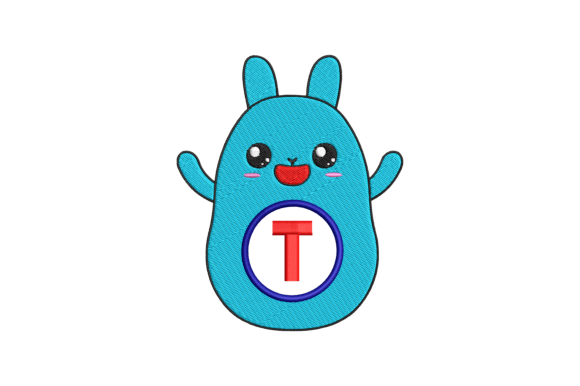
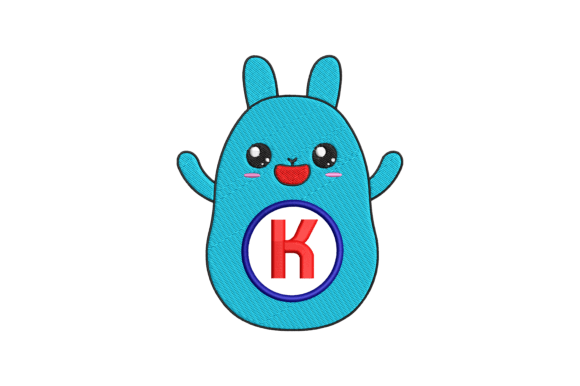
The immediate appeal of the Cute Rabbit Letter K lies in its whimsical charm. It strikes a delicate balance between playful and polished, making it versatile enough for children’s items without looking overly juvenile. For those of us creating handmade products, visual mood is everything. This design possesses a softness that translates well to digital mockups, but more importantly, it suggests a stitching personality that relies on clean lines rather than chaotic density.
When evaluating this embroidery file, I noticed the integration of the animal motif with the typography feels organic rather than forced. This is crucial for brand consistency. If you are building a boutique merchandise line or a set of personalized gifts, disjointed elements can make a finished product look amateur. The Cute Rabbit Letter K appears designed with intentionality, suggesting it could serve as a strong anchor piece for monogrammed towels, custom apparel, or nursery wall hangings.
Performance on Real-World Substrates
A pretty screen image does not guarantee a successful stitch-out. In my experience testing similar designs, the true test comes when needle hits fabric. Here is how I anticipate the Cute Rabbit Letter K performing across different categories relevant to creative entrepreneurs:
Apparel and Wearables
For sweatshirt embroidery or tote bag designs, stability is key. This design seems well-suited for mid-weight cottons and fleece. However, if you plan to use this on stretchy knits or performance fabrics, you must pay close attention to stabilizer choices. The interplay between the letter form and the rabbit detail likely requires a sturdy cut-away backing to prevent puckering. As a commercial embroidery provider, I always recommend testing on a scrap of the exact garment material first. Stretchy fabrics can distort intricate details, so verifying the registration marks before running a full production batch is non-negotiable.
Home Decor and Linens
The product description highlights towels and pillows, which are staple items for many Etsy shops. Kitchen towels, specifically flour sack or terry cloth, present unique challenges due to texture. If the Cute Rabbit Letter K utilizes fine satin stitches for outlines, high-pile fabrics might swallow those details. In such cases, using a water-soluble topping is essential to keep the stitches crisp. For pillow covers and nursery decor, the design’s charm shines best on smooth, woven cottons where the thread colors can truly pop against the fabric grain.
Small Goods and Accessories
Many crafters want to utilize small hoop sizes for items like caps, patches, or baby bibs. Before committing this design to a curved cap surface or a tiny 4x4 hoop, verify the physical dimensions in the file details. Scaling down an embroidery design too aggressively can cause stitch density issues, leading to thread breaks or needle damage. If the design includes layered details, ensure they remain distinct at smaller sizes. For embroidered patches, confirm that the border integrity holds up when removed from the stabilizer.
Technical Considerations for Professional Results
Whether you are a hobbyist or running a high-volume embroidery business, technical diligence protects your reputation. Here are specific factors to evaluate with the Cute Rabbit Letter K:
- Stitch Density and Fabric Weight: Examine the density map in your editing software. If the design is overly dense, it may puncture lightweight fabrics like voile or quilting cotton. Conversely, low-density fill stitches might look sparse on dark fabrics. Adjusting density or adding an underlay can mitigate these issues.
- Thread Color Contrast: Whimsical designs often rely on color blocking. Test your thread palette on both light and dark fabric swatches. A pastel rabbit might disappear on cream linen but sing on navy denim. Documenting these combinations helps streamline future custom apparel orders.
- File Format Compatibility: While Creative Fabrica typically provides multiple formats, always confirm compatibility with your specific machine before purchase. Some machines handle complex jumps or trims differently. A quick test stitch prevents wasted blanks and frustration.
- Licensing Verification: For those selling finished products, double-check the license terms on the product page. Ensure the Cute Rabbit Letter K allows for commercial use on physical goods. Never assume licensing based on category alone; protecting your business starts with reading the fine print.
Enhancing Product Value and Buyer Trust
In the competitive landscape of handmade goods and digital product sales, presentation drives perception. Using a high-quality design like Cute Rabbit Letter K can elevate the perceived value of your offerings. Buyers trust sellers who demonstrate mastery over their medium. A clean, well-registered stitch-out signals professionalism.
Consider how this design integrates into your marketing. Printable mockups featuring this letter can attract customers before you even thread a needle. However, nothing replaces photography of the actual finished product. Showcasing the texture of the satin stitch or the sheen of the rayon thread builds confidence. When customers see that the Cute Rabbit Letter K looks as good in reality as it does digitally, conversion rates improve.
Furthermore, consistency across a product line fosters brand recognition. If you offer the entire alphabet in this style, customers are more likely to return for sibling gifts or additional personalization. This design asset has the potential to become a signature element in your shop, distinguishing your work from generic competitors.
Practical Workflow Recommendations
To maximize success with this embroidery file, adopt a systematic approach:
- Pre-Stitch Audit: Open the file in your software. Check for unnecessary jumps, trim counts, and overall size. Make minor edits now to save time later.
- Stabilizer Selection: Match your backing to the fabric, not just the design. Fusible mesh for knits, tear-away for stable wovens, and adhesive for hard-to-hoop items.
- Sample Stitch-Out: Always run a test on similar fabric weight and weave. Inspect the back for bobbin tension issues and the front for registration accuracy.
- Wash Testing: If selling baby items or kitchen linens, wash and dry your sample. Shrinkage can distort embroidery. Pre-washing blanks is often necessary to maintain design integrity post-laundry.
- Documentation: Keep notes on which thread brands and colors worked best. This creates a reliable recipe for reorders and ensures color matching across batches.
Final Thoughts for Makers and Sellers
The Cute Rabbit Letter K represents the type of thoughtful design assets that populate Creative Fabrica embroidery libraries. Its suitability for Back To School projects, nursery decor, and personalized gifts makes it a valuable addition to a digitizer’s or embroiderer’s toolkit. However, its success ultimately depends on your technical execution and material choices.
For Etsy sellers and small business owners, this design offers a pathway to create emotionally resonant, high-margin items. By respecting the technical requirements of machine embroidery and validating the design through rigorous testing, you transform a digital file into a tangible, cherished heirloom. Always prioritize quality control over speed, and let the whimsy of the Cute Rabbit Letter K enhance, rather than compromise, your professional standards. Remember to review all specific file details, including stitch count and licensing, directly on the product page to ensure it aligns perfectly with your current project needs and business goals.