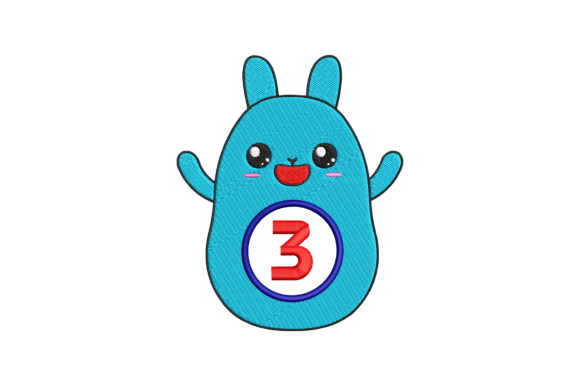
Cute Rabbit Number 3: Apparel Embroidery Review
As an embroidery designer constantly curating collections for boutique apparel, I am always on the hunt for machine embroidery designs that balance commercial viability with artistic charm. When browsing Creative Fabrica embroidery listings for upcoming seasonal drops, Cute Rabbit Number 3 immediately caught my attention as a potential staple for sweatshirt and hoodie projects. This review breaks down my professional assessment of this digital embroidery file, specifically focusing on its application for small shop products, Etsy sellers, and handmade business owners looking to elevate their custom apparel offerings.
First Impressions: Visual Mood and Stitch Personality
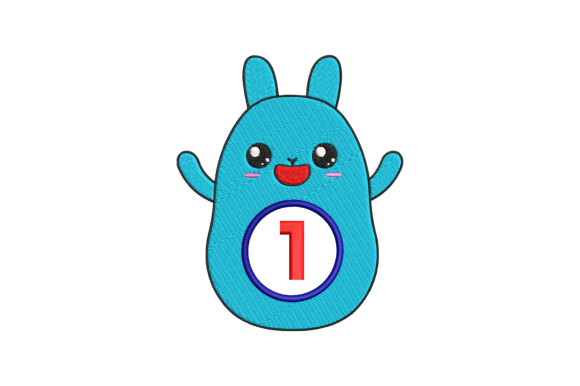
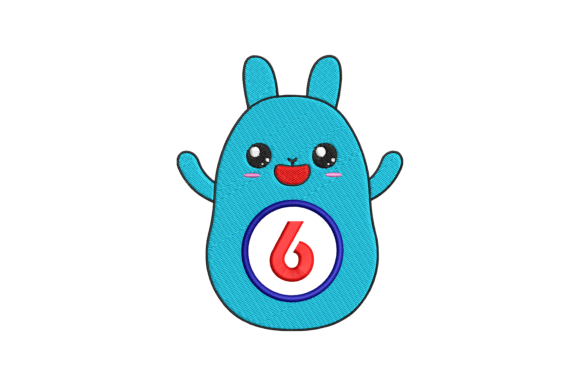
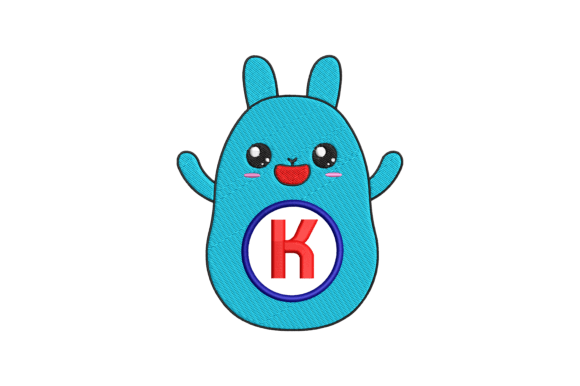
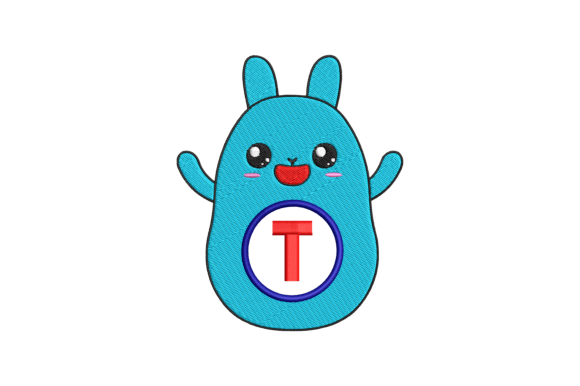
Upon opening the design files, my first impression of Cute Rabbit Number 3 is that it strikes a difficult balance between playful and polished. In the world of boutique brand merchandise, there is often a fine line between "juvenile" and "whimsical." This design leans successfully toward the latter. The visual personality feels premium rather than generic, possessing a decorative strength that suggests elegance despite the cute subject matter. For apparel decorators, this distinction is vital; we need designs that adults feel comfortable wearing on oversized garments or pastel hoodies without feeling like they are wearing children's clothing.
The stitching mood appears versatile enough to transition across different fabric textures. While categorized under Back To School, the aesthetic is timeless enough for year-round commercial embroidery. It does not rely solely on trendy elements, which increases the longevity of any finished product created with this embroidery file. The detail level seems appropriate for mid-weight garments, avoiding excessive complexity that could cause registration issues on stretchy fabrics while maintaining enough character to stand out in lifestyle product photos.
Strategic Placement for Sweatshirts and Hoodies
When planning a collection around Cute Rabbit Number 3, placement strategy dictates the perceived value of the garment. Based on the design’s composition, here is how I would approach various apparel applications:
- Oversized Sweatshirt Center Chest: This is likely the strongest application. The design has enough visual weight to serve as a primary focal point on neutral sweatshirts. On cream, sage, or dusty rose fleece, the rabbit motif adds a touch of elegance and charm that aligns with current cozy seasonal outfit trends.
- Hoodie Design Placement: For hoodies, consider the kangaroo pocket area or the upper left chest. If using the chest placement, ensure the design scale complements the hoodie’s drawstrings and seams. The design’s charm works exceptionally well here for creating a signature small shop product.
- Sleeve Accents and Cuffs: Depending on the specific dimensions of the embroidery file, Cute Rabbit Number 3 could be resized for wrist cuffs or sleeve accents. This adds a subtle, high-end detail that justifies a higher price point for custom apparel.
- Tote Bag and Denim Jackets: Beyond knitwear, this design translates beautifully to woven fabrics. A denim jacket back patch or a canvas tote bag featuring this rabbit creates excellent cross-selling opportunities for Etsy sellers expanding their inventory.
Fabric Compatibility and Technical Considerations
Every experienced embroidery designer knows that a beautiful digitization can fail if paired with the wrong substrate. When working with Cute Rabbit Number 3, careful consideration of fabric texture and stabilizer choice is non-negotiable.
Navigating Stretchy and Ribbed Fabrics
Sweatshirt embroidery presents unique challenges due to the instability of fleece and French terry. Before running this design on a final garment, you must test on scrap fabric that matches your production material exactly. Ribbed fabrics, in particular, can distort intricate details. If Cute Rabbit Number 3 contains fine lines or tiny lettering, verify that the stitch density is sufficient to prevent these elements from sinking into the pile of the fabric. Using a heavy-weight cutaway stabilizer and potentially a water-soluble topping is essential to maintain crisp edges on textured surfaces.
Dark Garments and Thread Contrast
This design is described as adding elegance, but elegance relies heavily on contrast. On dark apparel like navy or charcoal hoodies, review your thread colors meticulously. Pastel threads may require a white underlay base to pop against dark fabric, which adds stitch count and density. Confirm that the digitizer has accounted for this, or be prepared to add underlay manually in your editing software. Poor contrast can make even the best machine embroidery design look muddy in social media graphics and printable mockups.
Elevating Brand Identity and Buyer Trust
For creative entrepreneurs, selecting the right assets is about more than just aesthetics; it is about building buyer trust and product recognition. Consistent use of high-quality designs like Cute Rabbit Number 3 helps establish a cohesive visual identity. When customers see a recurring standard of quality in your embroidery, they associate your boutique brand with professionalism.
Furthermore, this design supports effective marketing. Because the artwork balances detail with clarity, it photographs well. Clear, distinct stitching reads better in thumbnail images on Etsy listings and Instagram feeds than overly dense or chaotic designs. When your digital presentation accurately reflects the tactile quality of the handmade product, return rates decrease and customer engagement increases. The "art form" aspect mentioned in the product description holds true here; treating this embroidery as art rather than mere decoration elevates the entire collection.
Essential Pre-Production Checklist for Designers
Before listing any item featuring Cute Rabbit Number 3 for sale, professional due diligence is required. As with any digital embroidery file sourced from Creative Fabrica, you must verify technical specifications that are not explicitly detailed in the general product description. Always confirm the following before mass production:
- Verify Hoop Size Compatibility: Ensure the design dimensions fit within your machine’s maximum embroidery area without requiring re-hooping, which can introduce alignment errors.
- Check Licensing Terms: Review the specific license included with your purchase. Confirm that commercial embroidery usage allows for the sale of physical finished products and understand any limitations regarding digital redistribution or modification.
- Inspect Stitch Density: Run a test stitch-out to check for puckering. If the design is too dense for your chosen lightweight t-shirt, consider resizing or using a lighter stabilizer combination.
- Validate File Formats: Ensure the provided formats are compatible with your specific machine brand to avoid conversion artifacts that could degrade stitch quality.
- Create Accurate Mockups: Use the test stitch-out to photograph real samples rather than relying solely on digital renders. Real-life texture builds authenticity for small clothing brands.
Final Thoughts for Apparel Decorators
Cute Rabbit Number 3 represents a strong contender for those in the custom apparel space seeking to blend nostalgia with modern boutique sensibilities. Its versatility across sweatshirts, hoodies, and accessories makes it a valuable asset for diverse product lines. However, the success of this machine embroidery design ultimately depends on the maker’s technical execution. By respecting fabric characteristics, validating stabilizer choices, and adhering to professional testing protocols, you can transform this digital file into a tangible product that resonates with customers. For Etsy sellers and handmade business owners, investing time in mastering this design could yield a signature piece that defines your seasonal collection and strengthens your brand’s reputation for quality craftsmanship.